

Tagasi juhtumianalüüsidele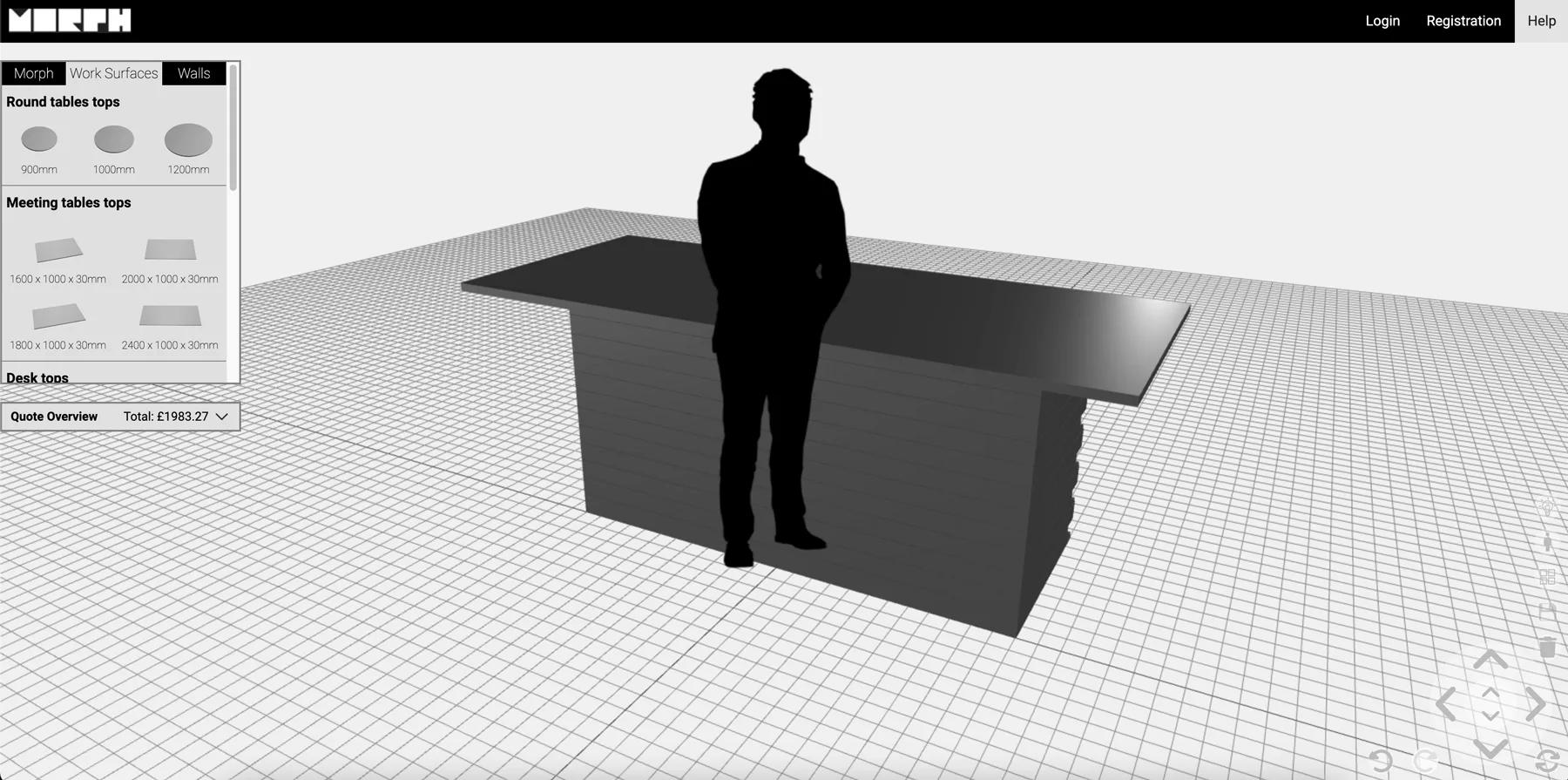
Building productsmodularenterprisefurniturebuilding
Morph Creator: building anything from eight bricks
Morph Bricks Ltd.·
Morph Bricks Ltd. is a UK company selling an innovative modular building system: a cost-effective way for customers to build walls, meeting rooms, spaces and tiered seating of almost any size, with a low carbon footprint using the circular economy.
The catch is that a system like that has no catalogue. What the customer buys is a design they invent themselves, which makes the configurator the product.
The company wanted an easy 3D configurator that would let customers use their imagination and build anything they wanted, starting from eight types of brick.
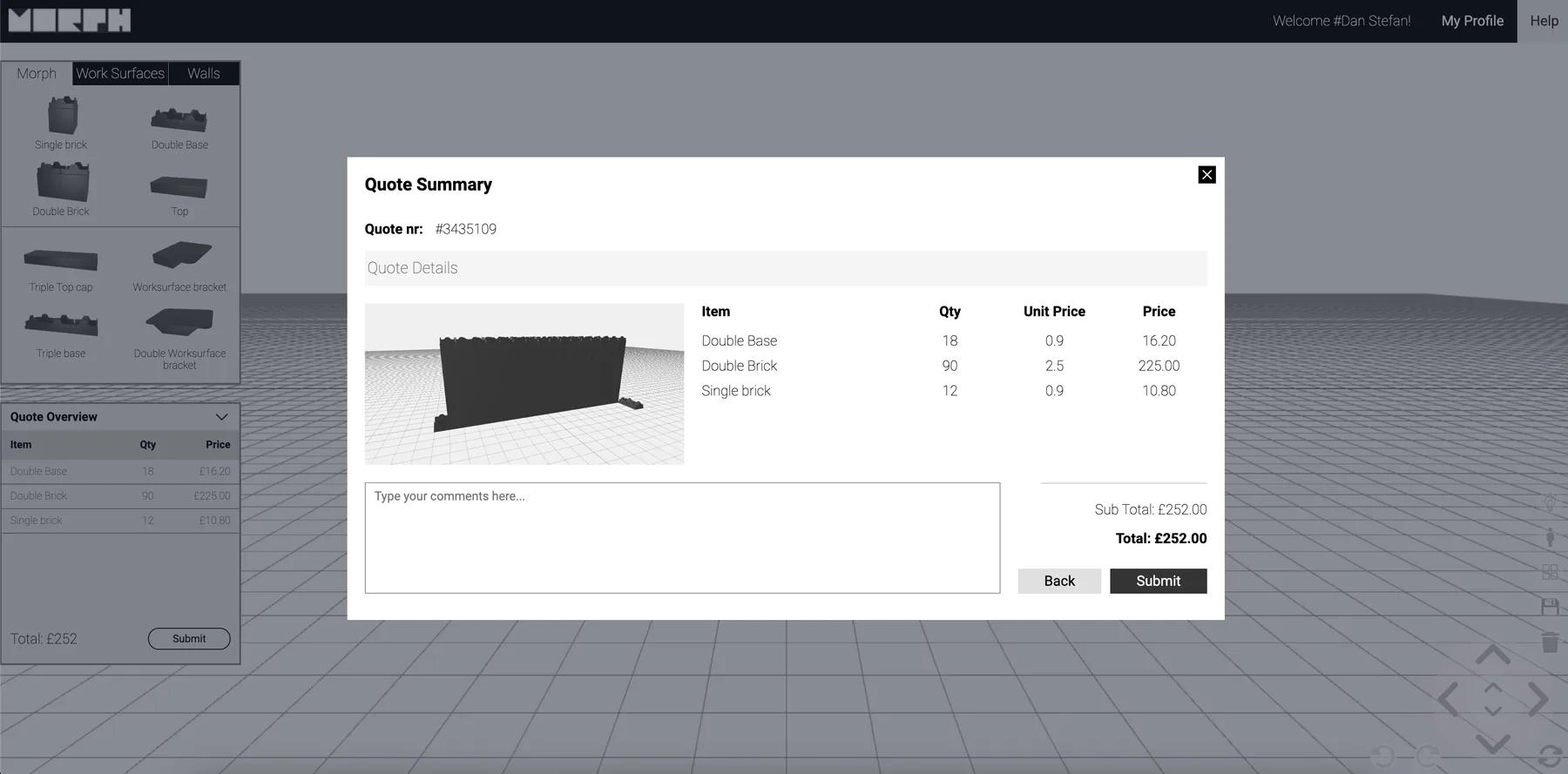
The web application had to let customers sign up, configure, find the price, save their work and submit designs for the company’s review before any order was completed.
For each project, the configurator had to generate a unique PDF instruction manual so customers could build the design themselves once the bricks arrived.
The requirements pointed to the Enterprise plan: the company needed a custom user interface, PDF instruction generation, and a native user account module not available on the other subscription plans.
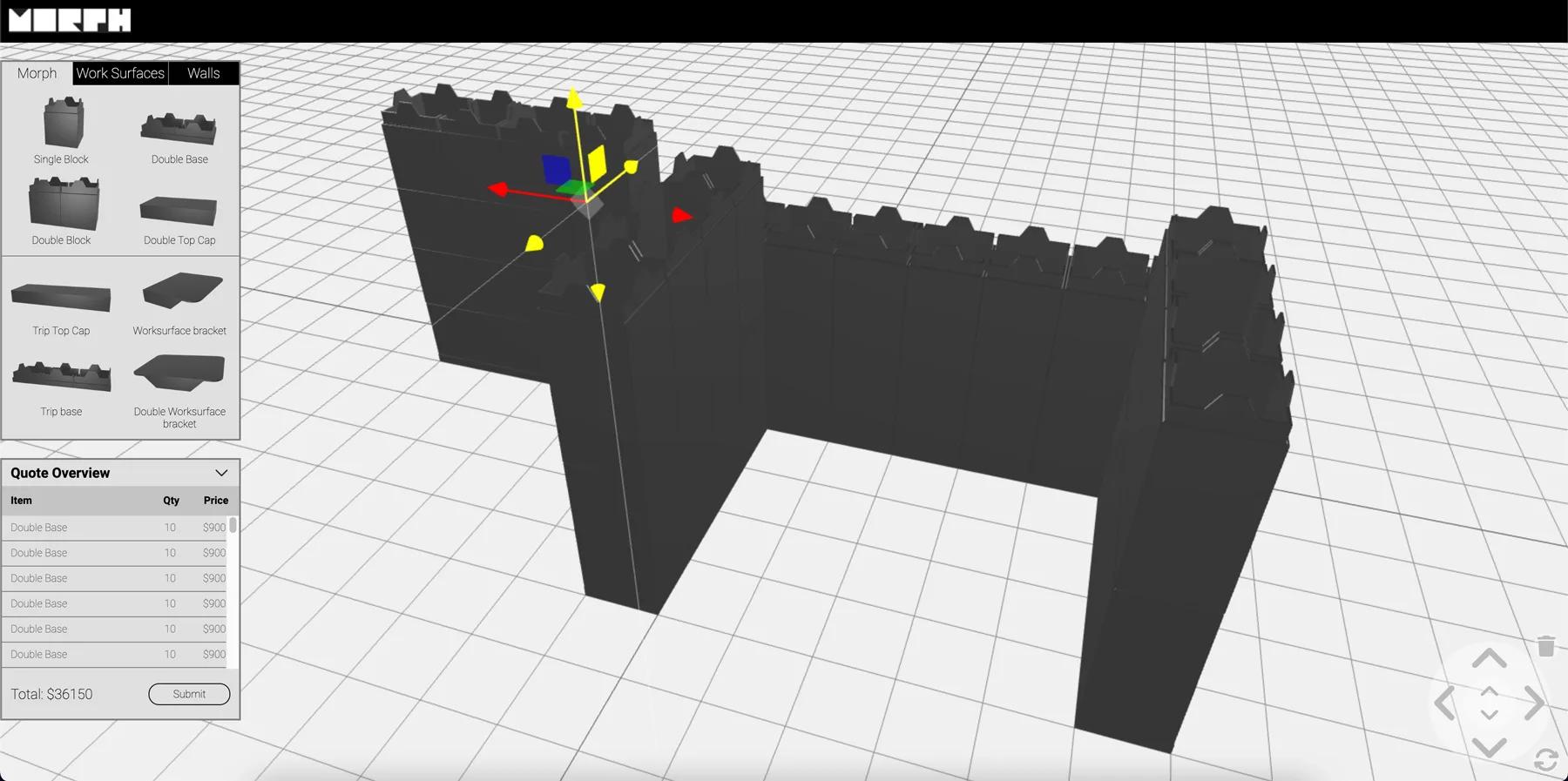
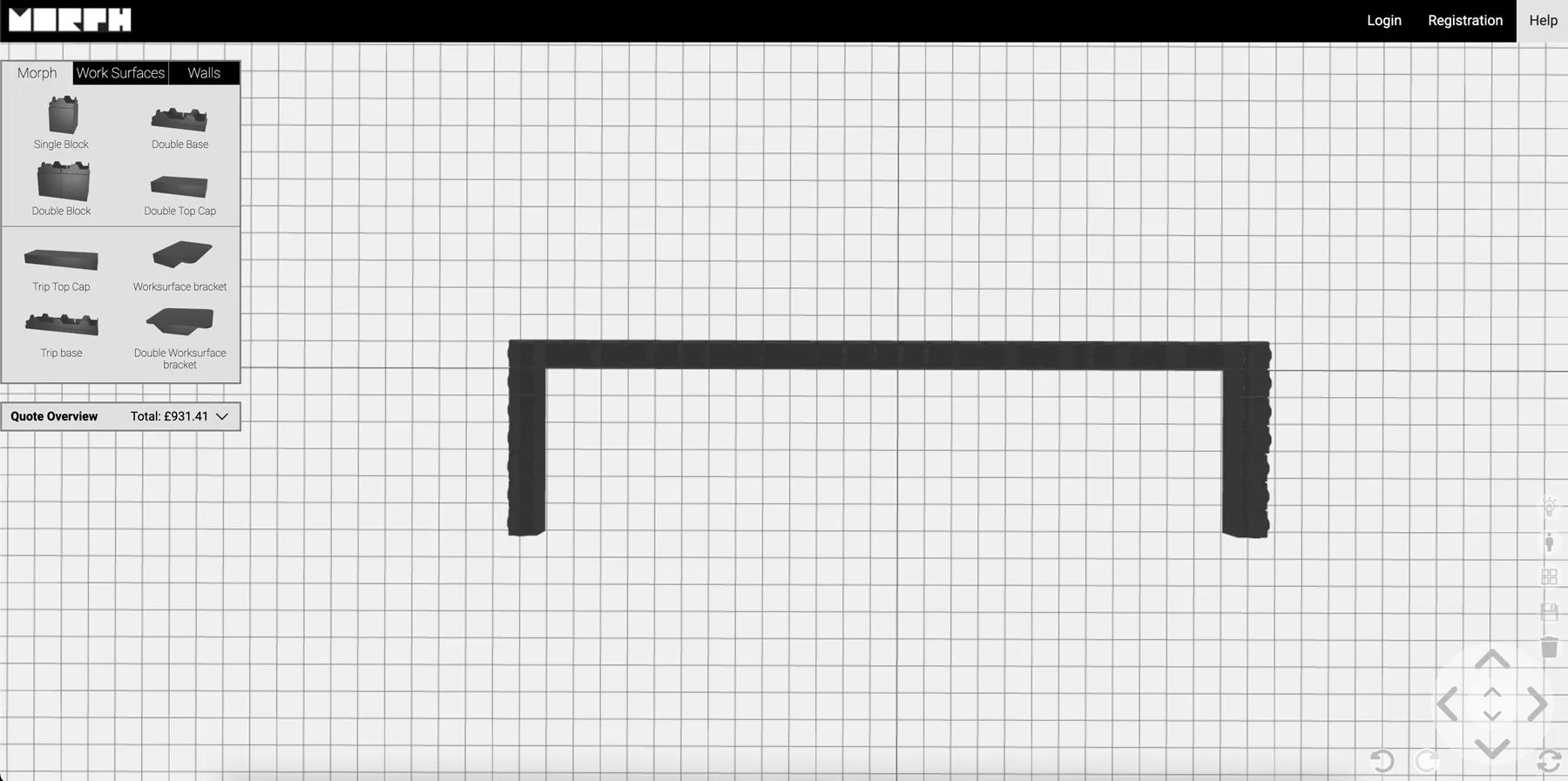
Conceptually the system works like Lego, except that it uses only eight bricks, each with a specific role in the overall construction. To make building practical rather than fiddly, the implementation added a snap function on a grid system, the ability to create brick walls by typing a size rather than placing each brick, and multiplication through copy and paste.
Each brick type has a specific role in the construction, so the whole system is expressed through a small, well-understood set of parts.
A snap function on a grid system keeps assemblies aligned, which is what makes free-form building workable rather than frustrating.
Rather than placing bricks one at a time, a customer types a wall size and the configurator builds it, then copy and paste multiplies the result.
Customers sign in, find the price for their design, save it, and submit it for the company’s review before an order is completed.
The configurator generates a unique PDF instruction manual for each project, so the customer can assemble the design when the bricks arrive.
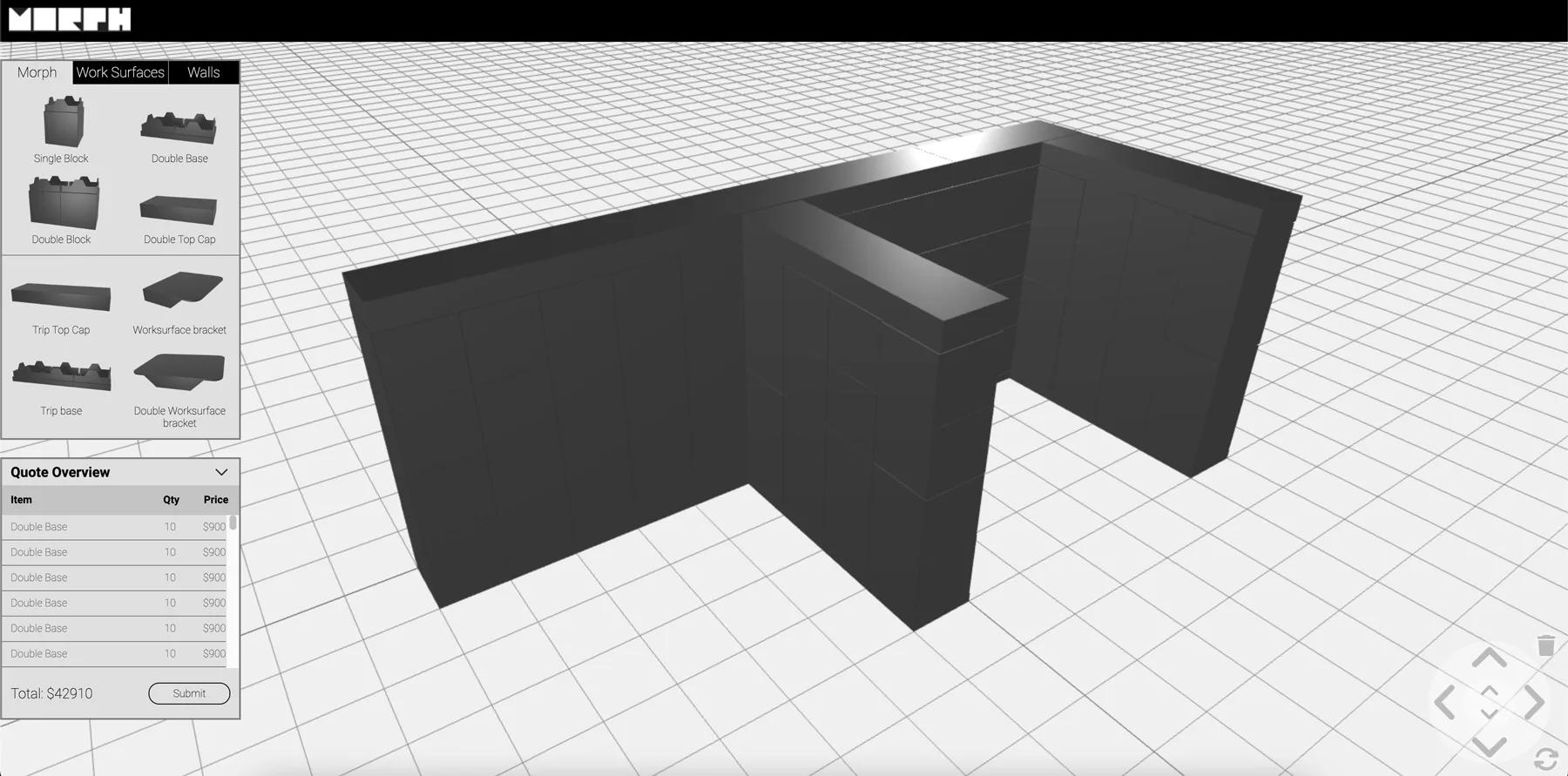
With the 3D configurator, the company increased its online presence.
Customers gained a unique tool for expressing their creativity while building.
Submissions go to the company for review before an order is completed, which keeps unbuildable designs out of production.
Every project generates its own PDF instruction manual, removing a manual step from every order.
We now have a user friendly creator tool that clients can use which looks great and is fun to use!
The snap-and-assemble behaviour built for Morph Creator is now a standard project type. Modular projects provide drag-and-drop assembly with snap-point alignment, rotation, mirroring and undo/redo out of the box, so a similar system no longer needs that behaviour built from scratch. The advanced modular system is an Enterprise capability.
Two further capabilities have been added since:
None of these were part of the original implementation.
Storage, seating and shelving systems built from modules follow the same drag-and-drop pattern.
Omage 3D-tootekonfigureerijat müügi suurendamiseks ja pakkumiste loomiseks otse oma veebisaidelt
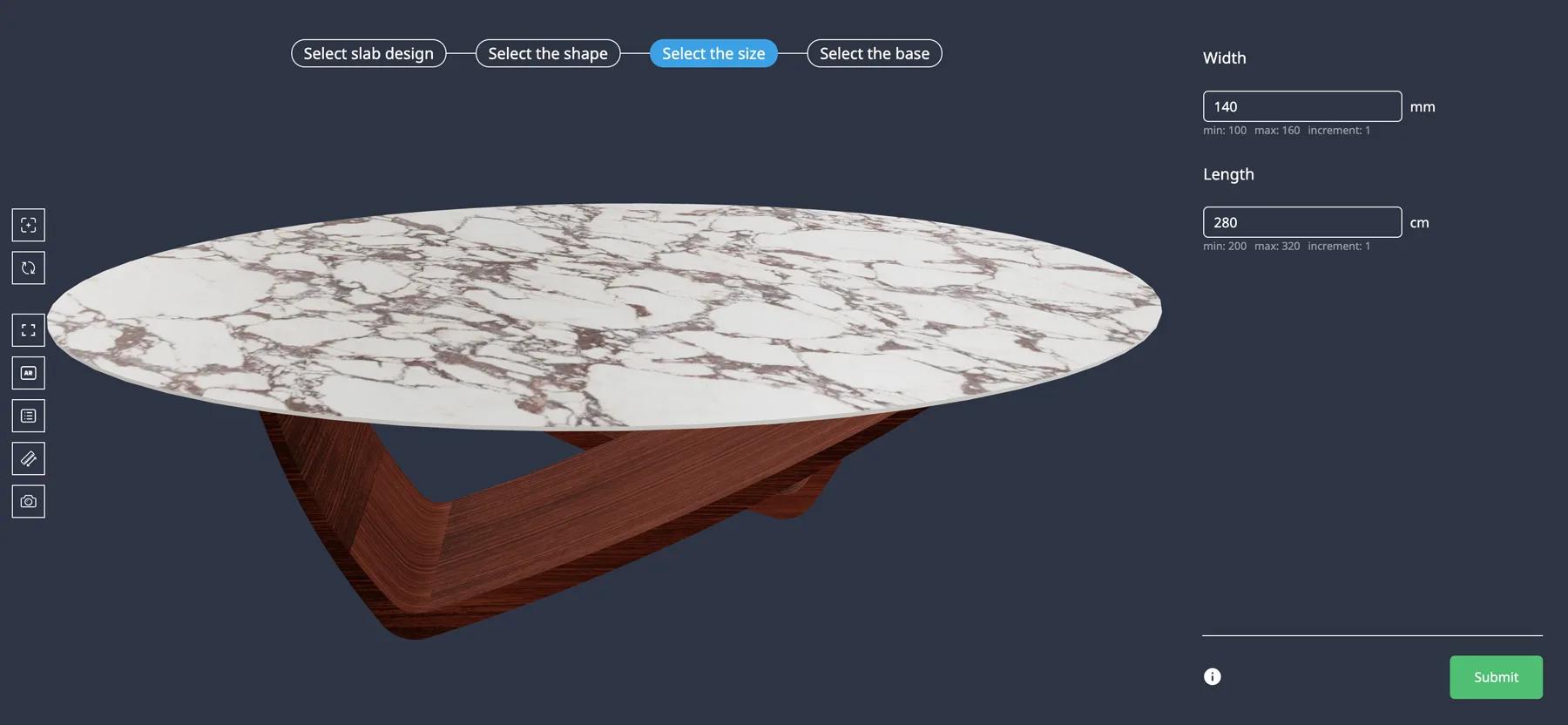
How Iberica Stone launched a 3D stone table configurator with slab, shape, dimension and leg options, built-in AR and quote requests on the Starter plan.
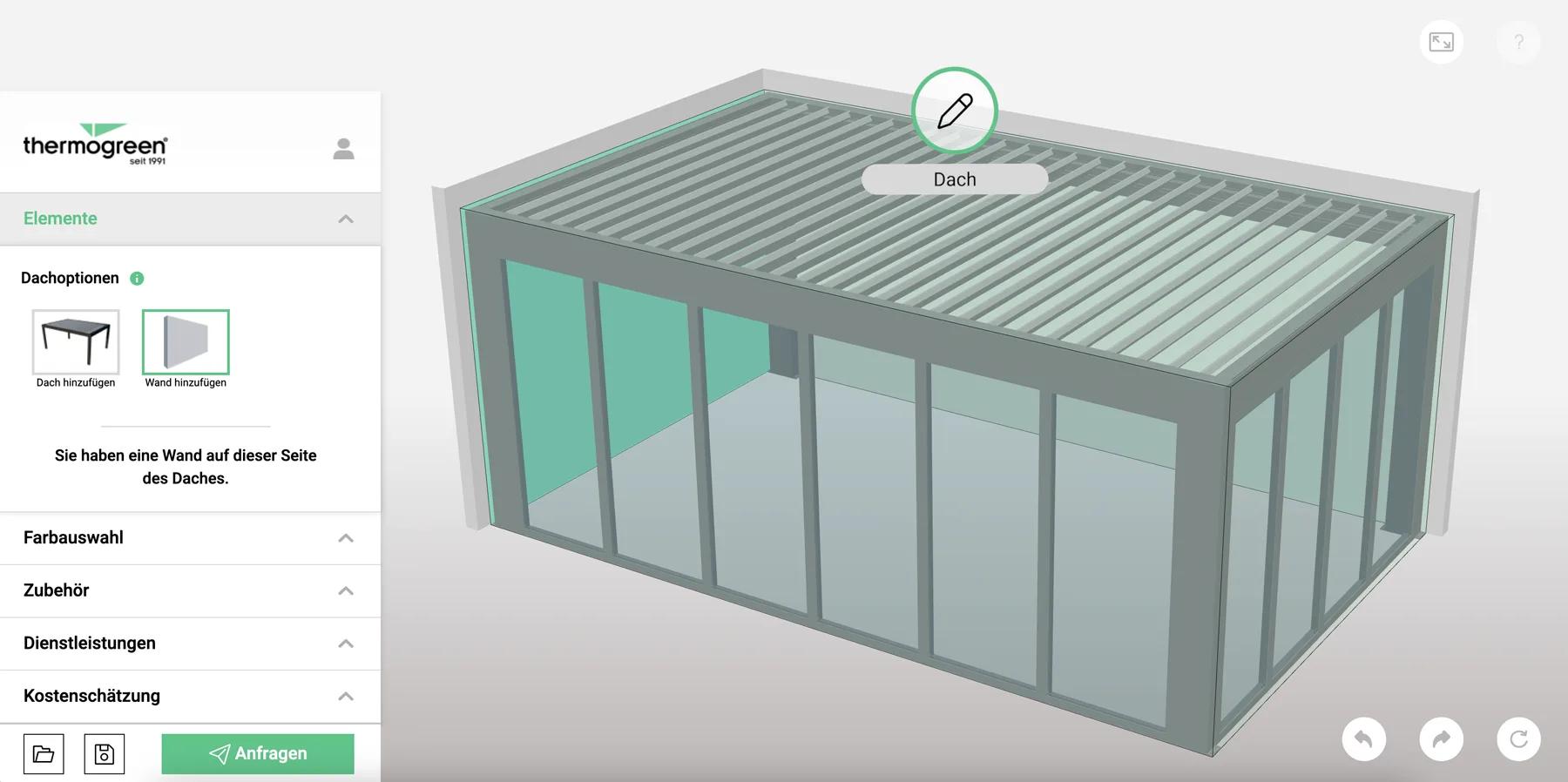
How Thermogreen AG built a glass roof terrace configurator with a custom UI and real-time pricing from their Mendix ERP, plus a sales quoting interface.
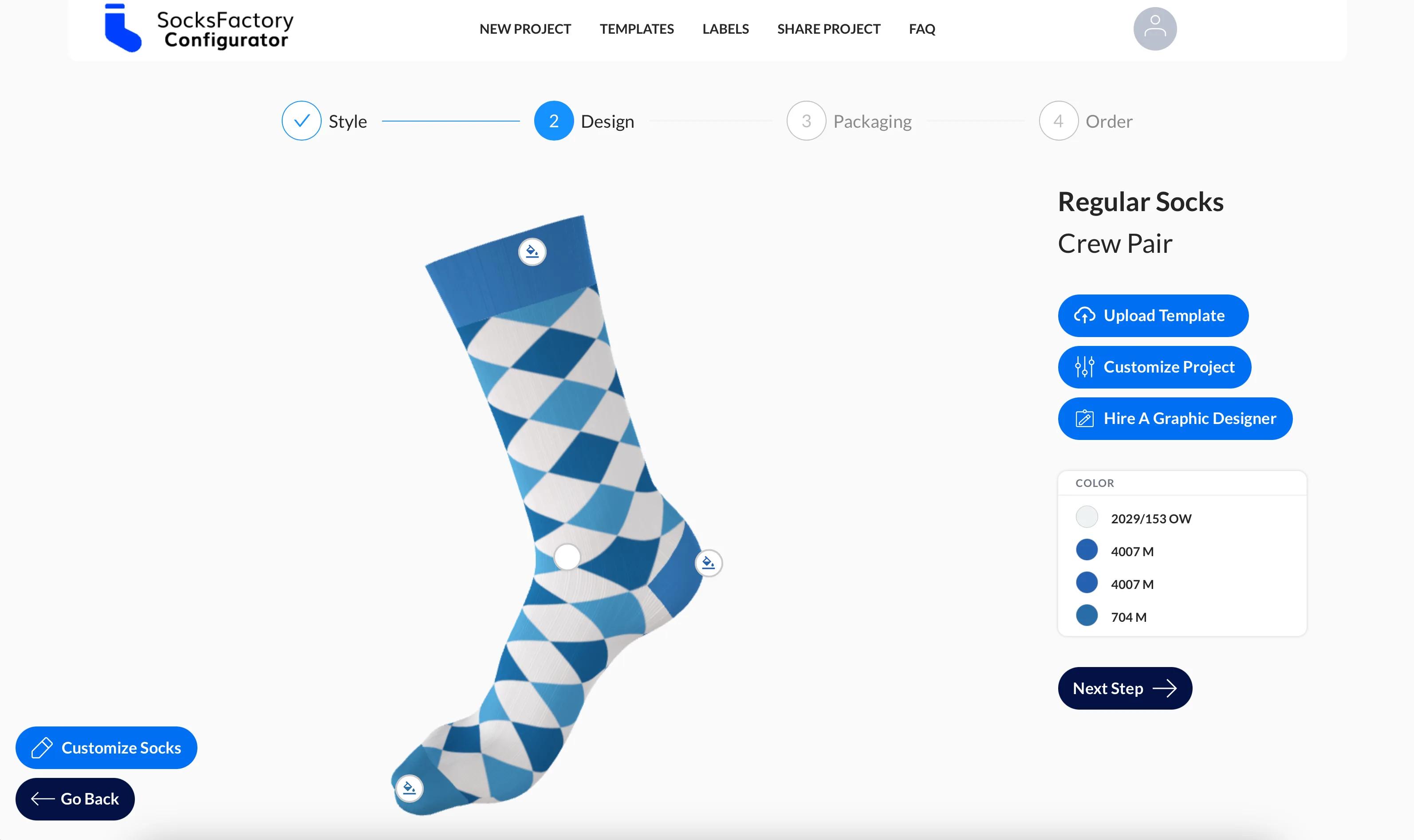
How SocksFactory launched a multi-language 3D sock configurator with fabric colours, customer artwork upload, a 2D design tool and Stripe and PayPal checkout.