

Back to case studies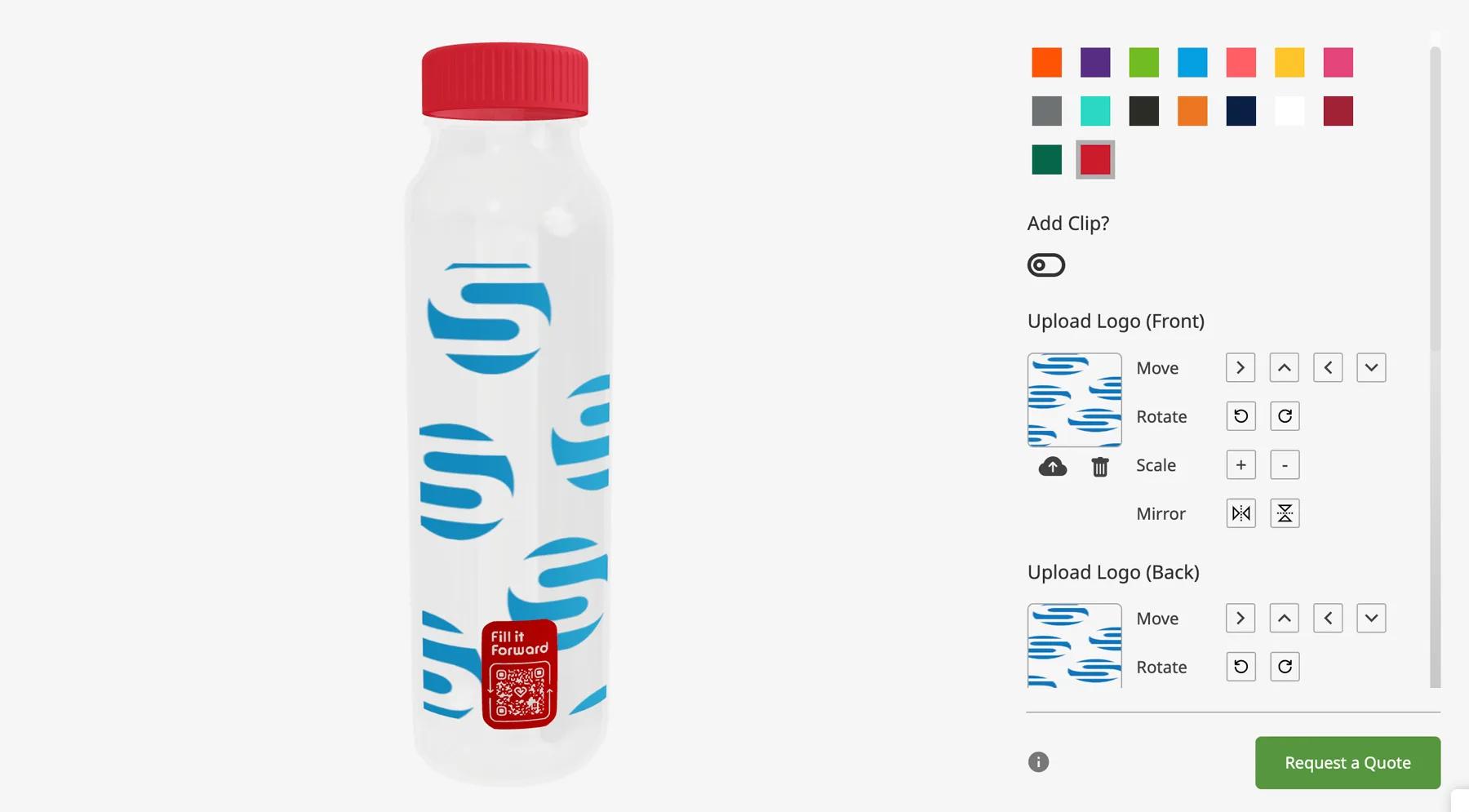
Consumer goodsecommerceapierppersonalisation
Fill it Forward: a 3D water bottle builder wired into an ERP
Fill it Forward·
Fill it Forward sells reusable water bottles, much of it into branded and promotional orders where the customer supplies their own artwork. That is a personalisation product, and personalisation only works if the customer can see the result and the order reaches production without being re-typed.
The company wanted a solution that was quick, affordable and user-friendly, and that connected to the ERP system they already used.
The company wanted to offer customers a way to personalise reusable water bottles, with shoppers able to visualise and customise their products in real time.
They needed a solution that was quick, affordable and user-friendly rather than a long custom development project.
They sought integration with their existing ERP system to streamline order management.
By upgrading to a Pro account, the client quickly deployed a 3D water bottle builder. The tool allowed customers to:
The platform’s open API access enabled integration with the company’s ERP, connecting customisation data directly to order management and production workflows — so what the customer configured is what production received.
The customer chooses cap and clip colours on the 3D model and sees the combination immediately.
Front and back logo designs are uploaded and applied to the bottle, so the customer approves the placement themselves.
Tiered pricing applies as the quantity changes, which is how promotional orders are actually bought.
The open API connects the customisation data directly to order management and production workflows, rather than arriving as an email with an attachment.
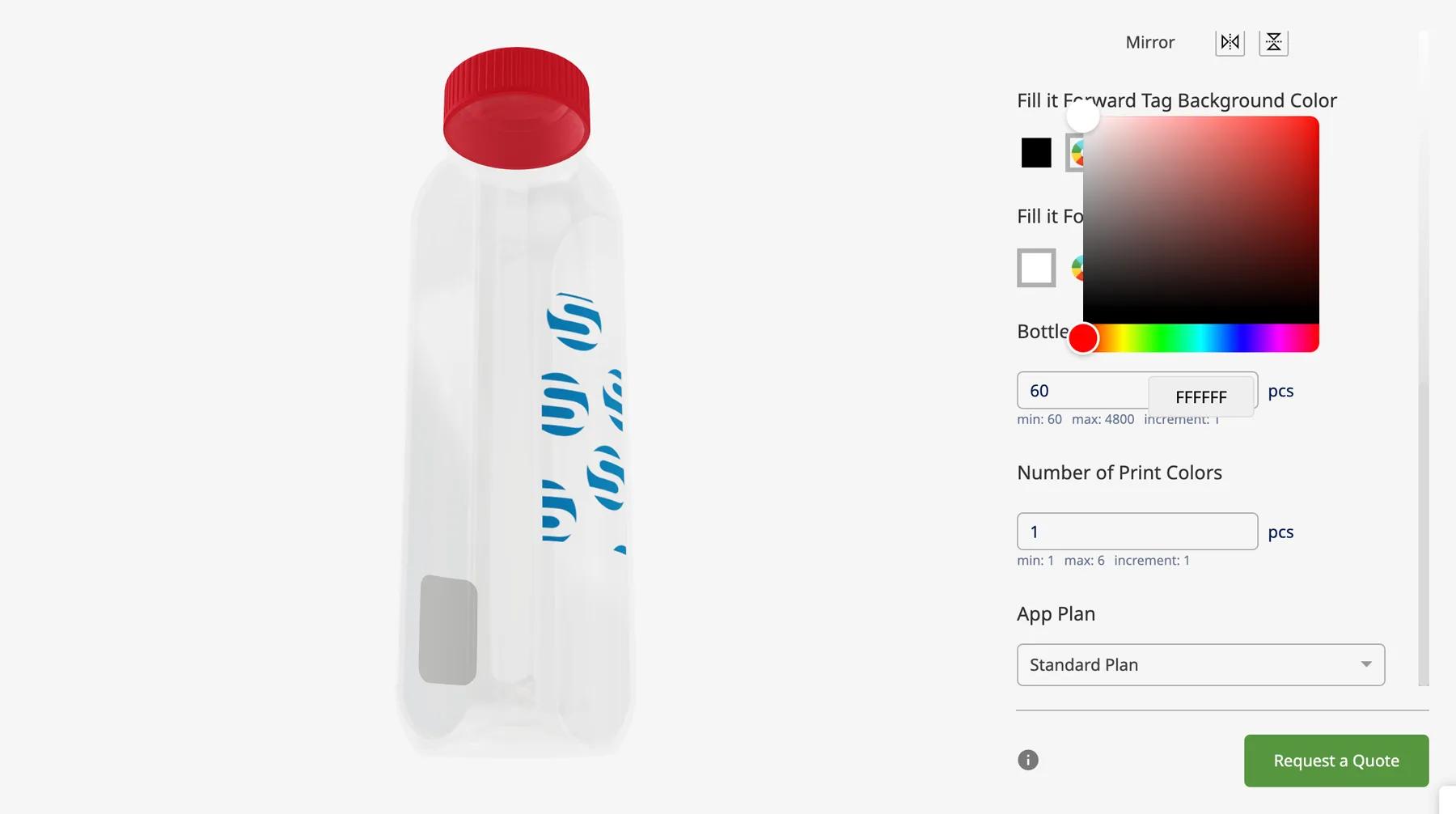
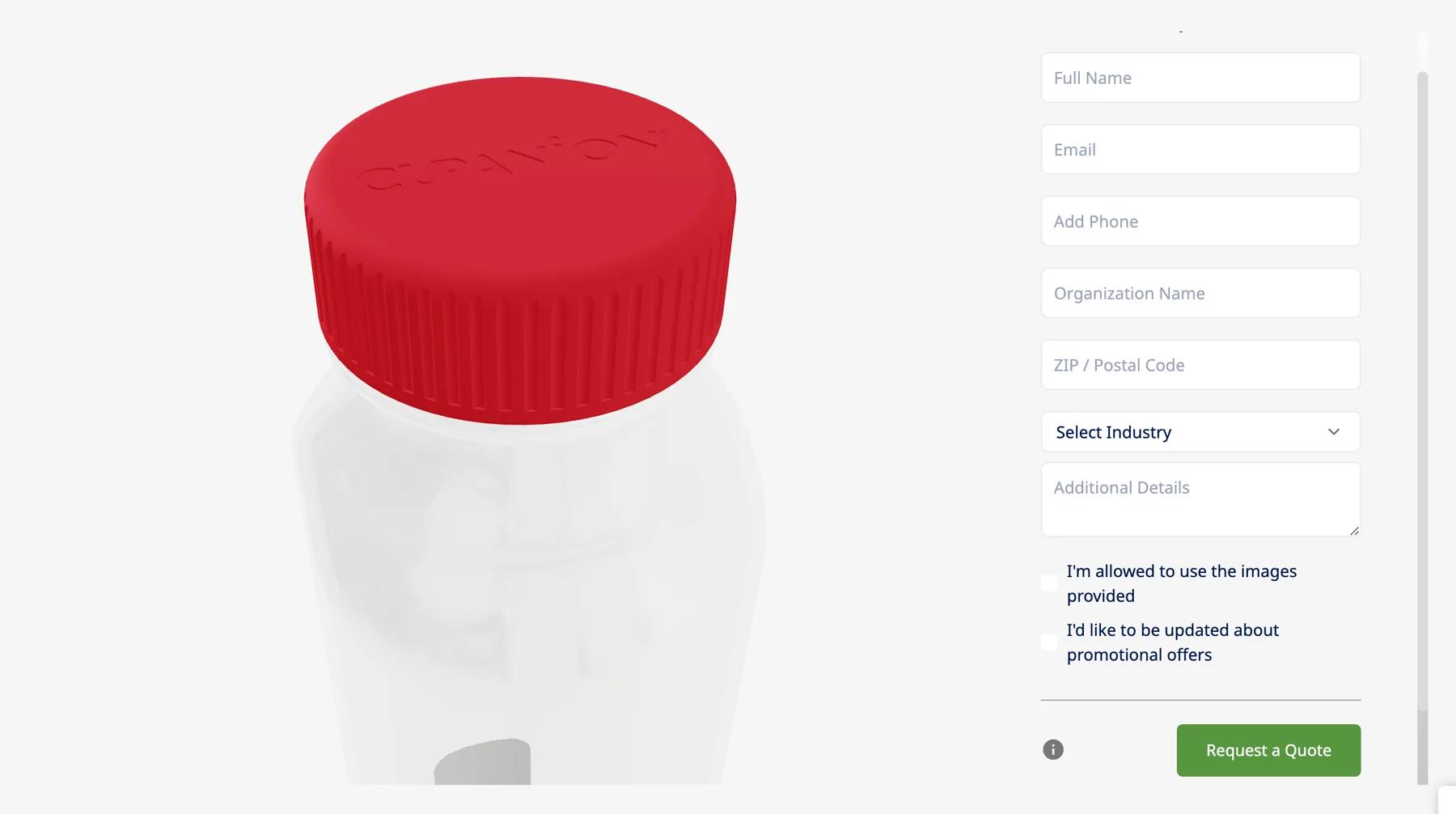
Customers could explore and personalise water bottles themselves, enhancing engagement and satisfaction.
The company launched the 3D customisation tool quickly, without expensive development costs.
ERP integration simplified order processing and inventory management.
Tiered pricing and personalised products encouraged larger orders.
The integration above used the platform’s open API, which is still how a project like this connects to an ERP — now through the documented REST API and the @simplio3d/sdk TypeScript client, with webhooks to notify downstream systems when a quote or order is submitted.
Two capabilities have been added since:
Neither was part of the original implementation.
Artwork upload, placement and tiered pricing are standard option blocks — the ecommerce configurator page covers how the cart side works.
Own a 3D product configurator to drive sales and generate proposals directly from your website
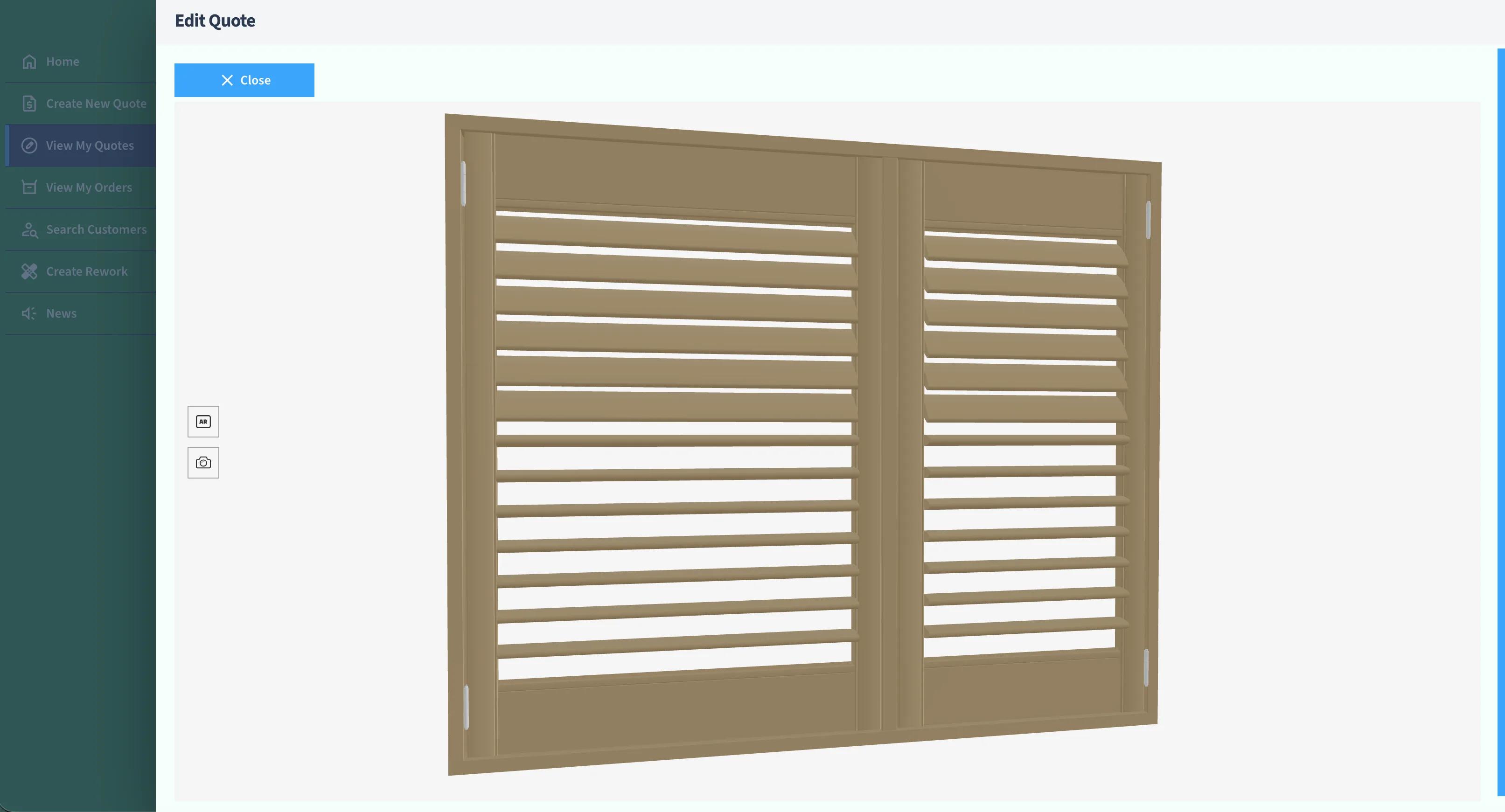
How Evergreen Shutters integrated the Simplio3D API into their internal quoting system to return an accurate 3D shutter view with every custom quote.
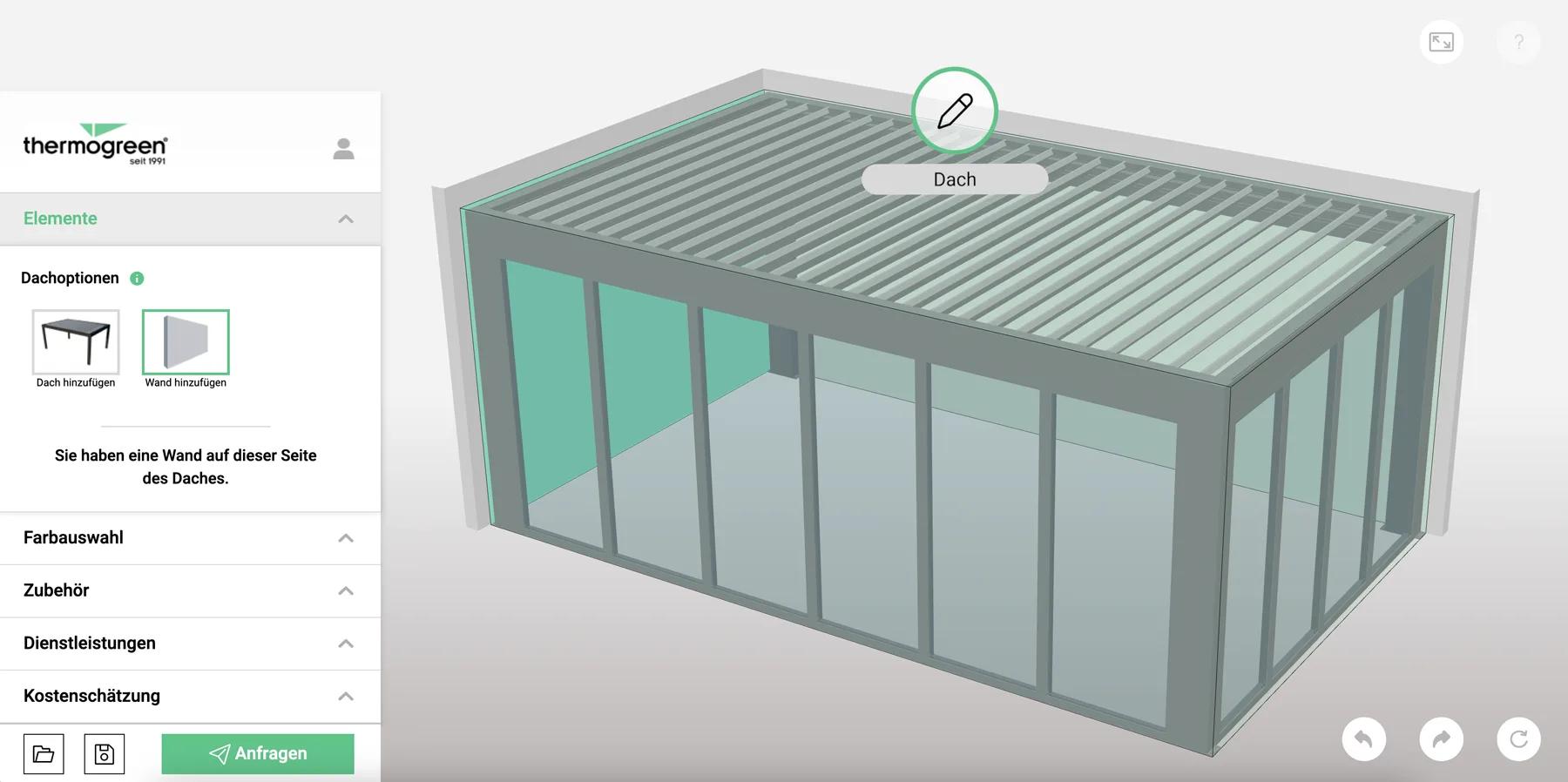
How Thermogreen AG built a glass roof terrace configurator with a custom UI and real-time pricing from their Mendix ERP, plus a sales quoting interface.
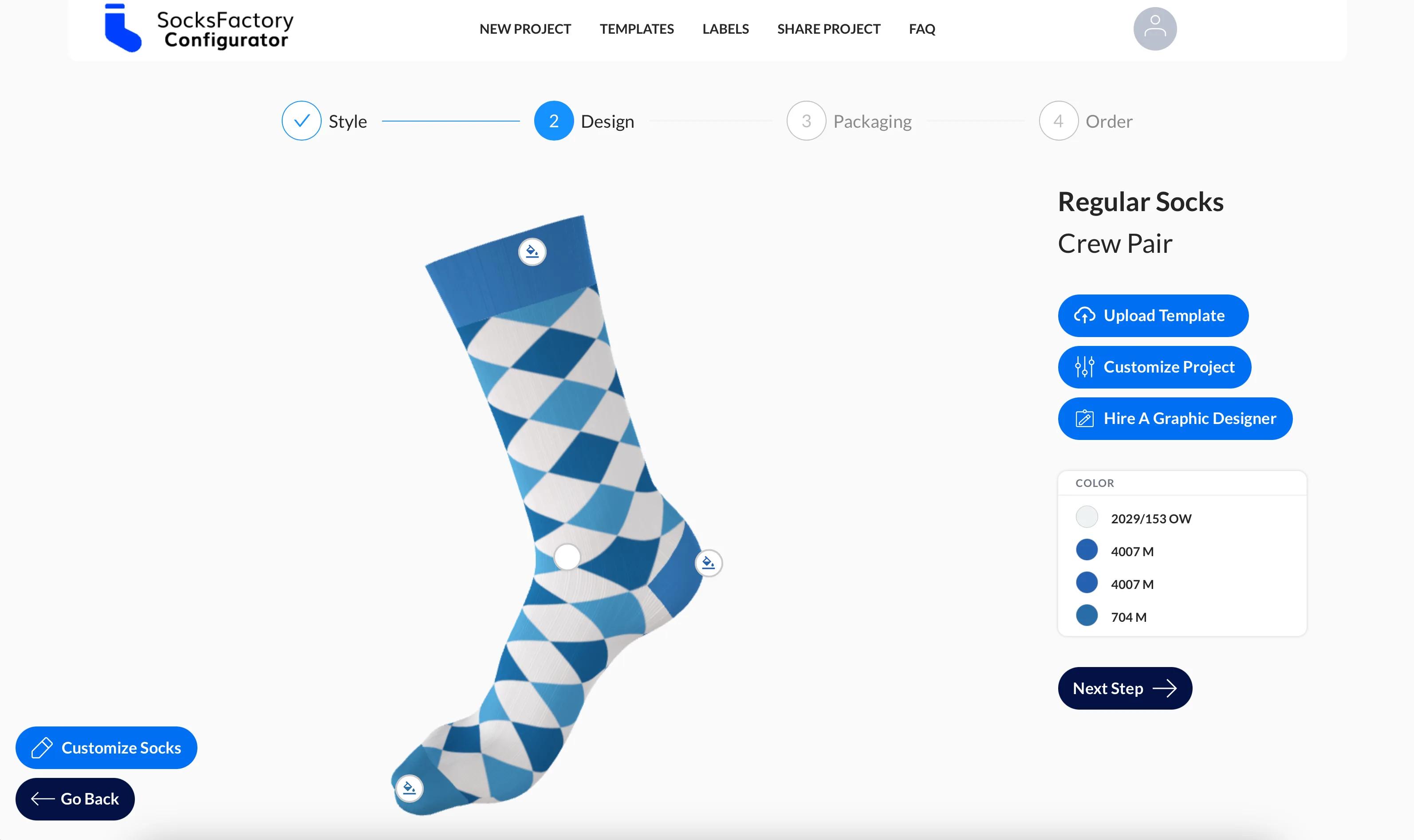
How SocksFactory launched a multi-language 3D sock configurator with fabric colours, customer artwork upload, a 2D design tool and Stripe and PayPal checkout.